



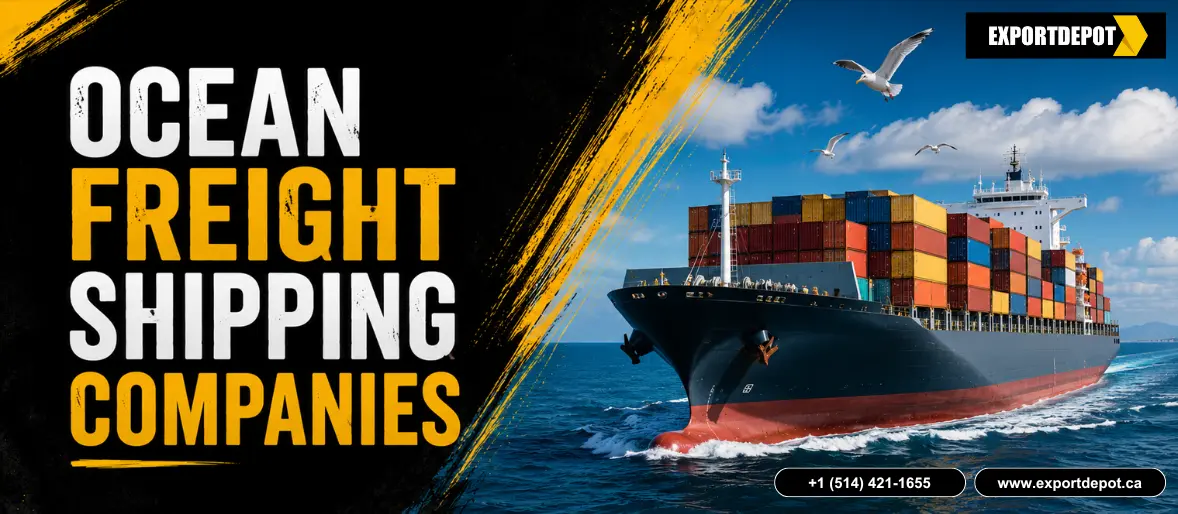
Why You Need Ocean Freight Shipping Companies with Real-Time Tracking?
Knowing your container location shouldn’t involve endless phone tags or late emails across time zones. Opting for professional ocean freight shipping companies that provide automated tracking transforms how businesses mitigate risks. Live visibility helps logistics managers handle warehouse storage and avoid unexpected port bottlenecks seamlessly.
Historically, maritime shipping has operated as a logistical black box for most global shippers. Once a container left the dock, owners faced vague, fluctuating estimated arrival windows. Modern tracking tools convert these speculative timelines into highly accurate, real-time supply chain data. This protection secures your valuable inventory while safeguarding your active operational budget.
The matrix below contrasts traditional freight management against modernized, tracked shipping systems.
Visibility Performance Matrix
| Logistical Milestones | Traditional Ocean Freight Providers | Advanced Real-Time Tracking Providers |
| Terminal Status | Manual updates sent hours after an event happens. | Immediate automated geofence alerts upon port entry or exit. |
| Transit Changes | Total blind spots during long transoceanic voyages. | Continuous GPS tracking showing active course corrections. |
| Logistics Planning | High dependence on excess stock due to uncertainty about arrivals. | Precise ETA recalculations allowing for lean inventory scheduling. |
Here’s Why You Need Ocean Freight Shipping Companies
1. Proactive Exception Management Over Reactive Firefighting
Continuous tracking data from certified ocean freight shipping companies lets you handle exceptions early. Cargo ships handle thousands of containers simultaneously, making unexpected delays a common issue. Weather anomalies, port congestion, or altered lanes can disrupt any schedule.
Traditional forwarders leave you in the dark until your cargo misses a deadline. In contrast, automated tracking alerts your team the moment a ship deviates. If a shipment is delayed, you can contact your domestic carriers immediately. Adjusting truck schedules and manufacturing sequences minimizes expensive idling losses at your warehouse.
2. Streamlining High-Value International Relocations
Real-time visibility is also vital for residential moves across global borders. Working with an experienced overseas shipping company that integrates live tracking tools provides peace of mind. Families can monitor high-value household goods, family heirlooms, or vehicles.
Origin Warehouse ➔ Port Exit ➔ Ocean Voyage (Live GPS) ➔ Customs Entry
Unlike bulk industrial commodities, personal effects represent irreplaceable pieces of family history. A premium overseas movers network uses tracking portals to provide real-time transit updates. You will see when goods clear export customs and land safely. This clarity allows families to coordinate travel and housing plans perfectly.
3. Minimizing Demurrage, Detention, and Port Storage Penalties
Port storage penalties, such as demurrage, represent a substantial leak in global logistics budgets. Demurrage accrues when an imported container sits at the terminal for too long. Detention applies when you hold the carrier’s equipment past your allowed free time.
Real-time container tracking sends automated notifications days before the vessel docks at port. This foresight allows for advance completion of necessary customs clearance paperwork. Your team can pay applicable duties and coordinate with local intermodal trucking fleets. You pull containers from the terminal immediately, completely bypassing high storage penalties.
Practical Action Items for Modern Supply Chains
Set Up Port Geofencing: Configure dashboards to send instant alerts when cargo exits a marine terminal.
Coordinate Trucking Early: Share live tracking links with drivers so they can adapt to shifting arrival times.
Share Portals with Clients: Push tracking data to customers so they can monitor incoming wholesale orders.
Audit Past Lane Performance: Use route logs to identify which ports experience chronic, systemic transit bottlenecks.
FAQs
- What exact technology powers real-time container tracking?
Ocean tracking relies on satellite AIS data and cellular-connected GPS hardware. It also connects directly to automated EDI status feeds from global port terminal networks.
- How does tracking data help an overseas shipping company protect goods?
Live tracking allows an overseas moving company to pinpoint goods during multi-modal transitions. It ensures movers know when cargo moves from rail to ship.
- Can I track Less-than-Container Load (LCL) shipments in real time?
Yes. Modern ocean freight shipping companies track consolidated LCL cargo using master container numbers. You can monitor the shipment from origin consolidation to final delivery.
- Why do ETAs provided by ocean lines fluctuate so frequently?
Ocean ETAs change due to volatile weather patterns, ocean currents, and port congestion. Real-time tracking filters out static estimates using actual maritime speed data.
- What should I do if my tracking link shows a delay?
Containers often pause when a vessel waits for an open berth outside ports. Contact your logistics specialist to verify if customs or congestion caused the halt.
Conclusion
Succeeding in global commerce depends entirely on clear visibility and precise execution. Choosing advanced ocean freight shipping companies that prioritize real-time tracking replaces speculation with data. For Canadian enterprises and families planning moves, tracking guarantees cargo navigates complex trade lanes smoothly. To implement advanced tracking or get an affordable quote, discover the transport solutions ready at Export Depot.

Related posts
Freight Shipping Company Near Me: Avoid These Common Mistakes When Booking Ocean Freight
When shipping goods internationally, it’s crucial to choose a shipping com
5 Things the Best Ocean Freight Shipping Companies Do That Average Ones Simply Don’t
Not all freight shipping companies are built the same. On the surface, many of t
Reliable Overseas Movers for Smooth Global Relocation Logistics
Shifting across borders may sound intimidating, but the logistics behind it can