



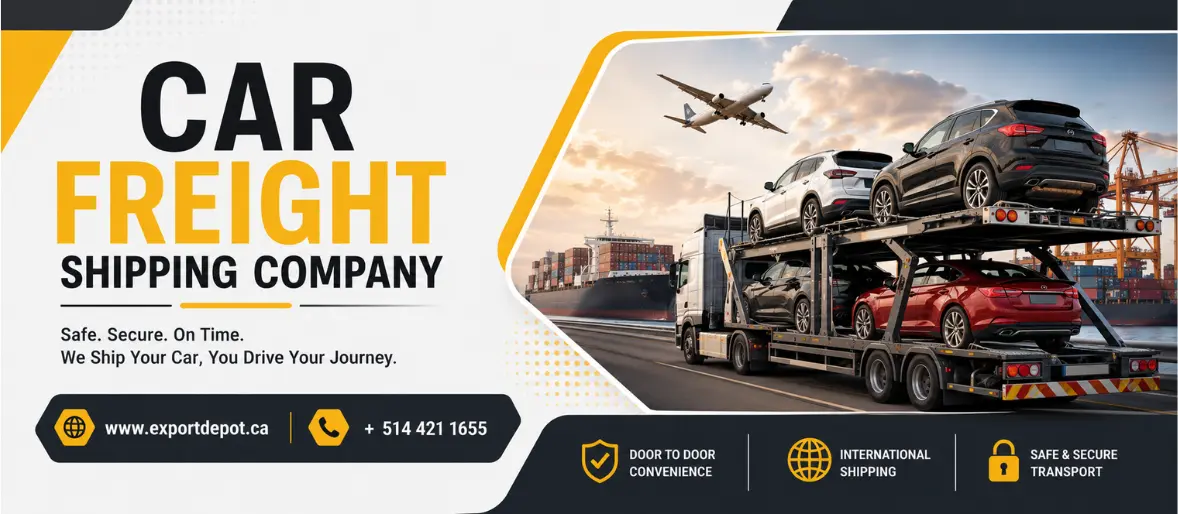
How to Track Your Vehicle When Using a Car Freight Shipping Company?
You can track your vehicle by requesting regular updates from your shipping company. Most car freight shipping companies provide a tracking number or online portal access. Confirm tracking options before booking and keep all shipping documents readily available. Export Depot, a car freight shipping company, provides clients with shipment updates throughout the entire car shipping process.
Introduction
Shipping a vehicle internationally involves multiple handoffs between carriers, ports, and customs agents. Each handoff creates a potential gap in visibility if you are not prepared. Understanding how vehicle tracking works helps you stay informed and significantly reduces anxiety. Car international shipping companies in Montreal clients especially value real-time shipment visibility and updates. This guide explains every stage of vehicle tracking from pickup to final delivery. Export Depot has helped thousands of clients ship cars to Europe.
How Does Vehicle Tracking Work at Each Shipping Stage?
Vehicle tracking during freight shipping is not as simple as parcel tracking. Cars move through multiple stages, and each stage uses different tracking methods entirely.
| Shipping Stage | Tracking Method | Who Provides It | Update Frequency |
| Pickup and pre-shipping | Driver confirmation and receipt | Your shipping company | At pickup |
| Inland transport to port | Carrier reference number | Freight carrier | Every 1–2 days |
| Port processing | Bill of lading number | Port agent or shipper | At port arrival |
| Ocean transit | Vessel tracking tool | Shipping line | Daily position updates |
| Destination port | Customs clearance updates | Customs agent | As events occur |
| Final delivery | Driver confirmation | Destination carrier | At delivery |
Steps to Track Your Vehicle While Using Car Freight Shipping Company
1: Get Your Booking Reference Number Immediately
Most car freight shipping companies assign a booking reference number at confirmation. This number is your master reference for all tracking and communication purposes. Save it in multiple places, including email, phone notes, and a physical document. All future tracking requests will require this reference number, without exception.
Step 2: Track Inland Transport to the Port
Inland transport moves your vehicle from your location to the departure port. Your shipping company assigns a carrier to handle this leg. The carrier typically provides a bill of lading for the inland transport portion. Request this document immediately, as it confirms your vehicle has been collected properly.
Montreal clients should always confirm inland pickup timing well in advance. Montreal to Halifax or Vancouver are common inland legs for ocean shipments. Contact your carrier if you have not received pickup confirmation within 24 hours. Export Depot coordinates inland transport and carefully keeps clients updated throughout this stage.
Step 3: Confirm Port Arrival and Staging
Port processing is one of the least visible stages in international car export. Your vehicle sits in a port staging area awaiting loading onto the vessel. This stage can last from a few days to two weeks, depending on the schedule. Your shipping company should provide port arrival confirmation once your vehicle clears intake.
Request your bill of lading number as it is required for ocean tracking. Port agents at Halifax, Vancouver, and Montreal handle most Canadian vehicle exports. Export Depot works directly with port agents to monitor vehicle status during staging. Contact your Export Depot coordinator if port confirmation has not arrived yet.
Step 4: Track Ocean Transit Using Vessel Tools
Ocean transit is the longest and most trackable stage in international car shipping. Most major shipping lines publish vessel tracking tools accessible to the public online. Enter your vessel name and voyage number to see the ship’s current position. Your shipping company should provide the vessel name at booking.
Car export from Canada to Europe typically takes 14 to 21 days transit. Track the vessel weekly to monitor progress and anticipate arrival atthe destination port. Export Depot provides vessel details and estimated arrival dates at booking confirmation.
5: Monitor Customs Clearance at Destination
Customs clearance at the destination country is a critical and time-sensitive stage. Your vehicle cannot leave the port until customs processing is fully complete. Delays at this stage are common and are usually caused by missing documentation. Your shipping company or destination agent will update you on clearance status.
Montreal clients exporting to Europe must prepare their customs documents carefully. Required documents typically include the original bill of lading, title, and export declaration. Export Depot guides every client through car export documentation requirements to Europe. Missing one document can delay release by days or weeks at the port.
Step 6: Confirm Final Delivery to Your Address
Once customs clears your vehicle, the destination carrier handles final delivery. This carrier contacts you directly to arrange a delivery window and timing. Your car freight-shipping company stays your point of contact for any issues.
Confirm the delivery appointment and inspect your vehicle thoroughly before signing any receipt. Export Depot coordinates with destination partners to ensure smooth final delivery always. Always photograph your vehicle at delivery before the carrier departs from your location.
Practical Tips for Tracking Your Vehicle Shipment
- Request your vessel name and voyage number from your shipper immediately after booking.
- Always save your booking reference, bill of lading, and shipping receipts together.
- Use VesselFinder or MarineTraffic to monitor ocean transit progress at any time freely.
- Set reminders to check vessel position every five to seven days in transit.
- Confirm port arrival with your shipping company within three days of intake.
- Keep your customs documents organized and share them with your destination agent early.
- Inspect your vehicle and photograph all panels before signing the delivery receipt.
- Contact Export Depot directly for any tracking update gaps or unanswered carrier inquiries.
FAQs
- What happens if my vehicle is delayed at the port before ocean loading?
Port delays are common and caused by vessel schedule changes or weather. The car freight shipping company will notify you of any significant departure delays. Your estimated arrival date will be revised if vessel departure changes significantly.
- What documents do I need to track my vehicle at the destination port?
Your bill of lading number is the primary document for destination port tracking. You also need your booking reference and any customs release documentation provided. Car international shipping companies Montreal clients should keep copies of all documents digitally.
- What if my car freight shipping company stops providing tracking updates?
Contact your shipping coordinator immediately and request a status update in writing. Ask for the bill of lading number and check vessel status independently. Export Depot clients have a dedicated coordinator available for all tracking inquiries.
- How long does customs tracking take at a European destination port?
Customs clearance at European ports typically takes three to seven business days. Missing documentation is the most common cause of delays at destination customs. Export Depot works with experienced destination agents to minimize clearance delays always.
Conclusion
Tracking your vehicle through a car freight shipping company requires the right information. The right documents, reference numbers, and contacts eliminate anxiety at every stage. Knowing what to request makes car export from Canada to Europe manageable. Montreal clients should always choose a car shipping company with dedicated support.
Export Depot provides full tracking visibility from inland pickup through to delivery. Visit us for a quote and full tracking support today.

Related posts
Why International Freight Shipping Motorcycle Montreal Is Ideal for Relocation and Sales?
International freight shipping for motorbikes from Montreal is one of the greate
How to Safely Coordinate a Multi-Vehicle Car Export from Canada to Europe?
Coordinating a multi-vehicle car export requires careful planning. Container shi

Why are Car International Shipping Companies Montreal in High Demand?
Over the past 10 years, the number of vehicles transported worldwide has increas