




Cost Factors in Long Distance Container Moving: Shipping from Canada to Latin America
When your business plans a long-distance container move from Canada to Latin America, cost becomes a top concern immediately. Affordable Time-Bound Hub Delivery But Safe, Efficient Handling. The way many businesses fail to highlight hidden costs that would quietly jack up the budget.
An international long-distance container mover does not just load boxes and hope for unlimited sailing; it rather qualifies by all customs, port, and distance surcharges and delays. Likewise, every Latin American country has its own customs rules that have a say in your final bill.
In effect, smart businesses do not look only at upfront rates but analyze carefully each cost factor. It is no longer enough to rely on costs or projections made some time ago because fuel prices keep rising and so do the disturbances in global supply chains. So, if you want to learn how to cut costs and guess smart shipping decisions, you are in luck.
Let us outline each cost factor impacting your container move from Canada to Latin America and how you can anticipate it.
Long-Distance Container Moving Costs Matters for Your Bottom Line
Your profit margin can shrink quickly if you ignore hidden charges. So, understanding the full breakdown keeps surprises away. Unexpected demurrage fees, incorrect paperwork, or poor route choices can drain your budget. But knowledge is power. Businesses that stay informed negotiate better contracts and timelines.
Therefore, before signing any shipping contract, ask the right questions. Always demand clarity on every possible cost. With transparency, you’ll avoid last-minute financial shocks.
The Distance And Route Factor: How Miles Add Up?
- First, distance is a major cost driver in shipping containers moving from Canada. Obviously, shipping from Canada’s east coast differs from shipping from Vancouver.
- However, it’s not just about miles covered. The complexity of your route also impacts costs. Some Latin American ports are more accessible than others.
- Also, circular routes can increase energy surcharges and conveyance time. That means further plutocrat is spent on storehouse, handling, and insurance.
So, discuss optimal routes with your freight forwarder. Sometimes, a slightly longer route with fewer port stops saves money overall.
Container Size & Load: Bigger Isn’t Always Better
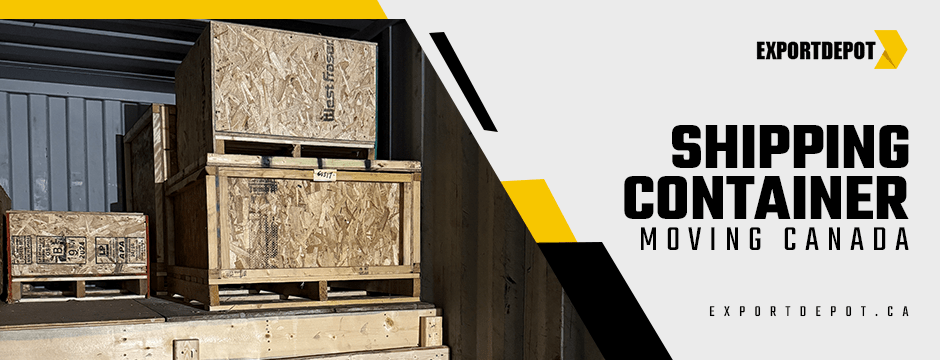
Businesses often assume larger containers automatically mean better deals. However, partially filled containers waste space and money.
Full Container Load (FCL) shipping is cost-effective if you truly maximize every inch. Otherwise, Less than Container Load (LCL) shipping makes more sense.
With LCL, you share space and pay only for what you use. So, for small shipments, this can dramatically cut costs. Always calculate volume and weight carefully. Get professional advice to choose FCL or LCL wisely for each shipment.
Don’t Let Poor Packing Cost You More
Indecorous packaging can damage goods during conveyance. That means insurance claims, relief costs, and unhappy guests. thus, invest in high-quality quilting accoutrements and professional instructors. In the long run, this saves plutocrats and preserves your character.
Additionally, customs inspections can be stricter if cargo is poorly packed. So, always follow international packing standards to avoid unnecessary delays in your long-distance container moving.
Port Fees & Terminal Handling Charges – Small Fees Add Up
Every harborage charges for handling freight for lading, unloading, and the vessel storehouse. These terminal running charges( THC) vary from harborage to harborage. Thus, exploration destination harborage charges ahead of time. Some Latin American anchorages are notorious for advanced freight due to limited structure.
Also, delayed pickups can spark demurrage or detention fees. These penalties grow daily and eat into your gains quickly. So, coordinate schedules with your freight mate to avoid expensive harborage detainments.
Know Customs Duties And Tariffs Before You Go
Every Latin American country has its unique customs duty structure. What’s acceptable in Mexico may not apply in Brazil. Moreover, inaccurate or incomplete paperwork can lead to costly fines and shipment holds. So, work with a trusted customs broker.
Additionally, understand Free Trade Agreements (FTAs) that can reduce tariffs. Canada has multiple FTAs with Latin American nations that benefit your business. Therefore, always verify documentation requirements and tariff rates well in advance.
Insurance: Protect Now, Save Later
Many businesses skip cargo insurance to cut costs. However, one accident can cost thousands more than the premium would have. Shipping over long distances exposes your goods to weather, theft, and handling damage. So, comprehensive insurance is always smart.
Discuss with your provider the best coverage options for high-value or perishable goods. It’s always better to be safe than sorry when you have a requirement to move a container from Canada.
Timing Can Influence Rates
Peak seasons mean higher demand for containers. That means higher rates, fewer available vessels, and more competition for space. So, plan shipments during off-peak times if possible. Some businesses adjust production schedules to align with lower shipping costs.
However, always balance cost savings with your customer’s delivery expectations. Don’t delay shipments unnecessarily and risk losing trust.
Fuel Surcharges: The Global Variable You Can’t Ignore
Fuel prices fluctuate every minute. Hence, carriers impose fuel surcharge charges on short-notice increases in operational costs.
You cannot control the oil markets, but you might monitor trends. Ask your freight partner about fuel surcharge clauses. Shipments might also be bundled or use direct routes to reduce the impact of fuel fluctuations in long-distance container moving.
Additional Services: Be Clear about Extras
Door-to-door delivery, warehousing, and inland transportation add convenience but increase costs. Businesses often overlook these add-ons. So, clarify whether your quote includes last-mile delivery or if you’ll pay local trucking separately.
Moreover, some businesses need cold storage or special equipment for oversized cargo. These services require special arrangements and pricing. Therefore, never assume your standard shipping quote covers these extras. Get all inclusions in writing.
Why The Right Partner Matters?
Not all freight forwarders have experience with Latin America’s customs and port systems. Therefore, pick a trusted, experienced partner. A reliable forwarder helps you choose the best routes, avoid delays, and handle paperwork flawlessly.
They often have better relationships with local ports, which can mean faster clearances and fewer hidden costs. So, always ask for references and check reviews before signing any agreement. In this regard, you would love to contact Export Depot International for the best international transport service.
Smart Cost-Saving Tips
Now that you know the cost factors, how can you keep expenses under control?
- First, consolidate shipments when possible.
- Second, negotiate long-term contracts for better rates. Carriers appreciate reliable, repeat business and often provide discounts.
- Third, always double-check paperwork. Incomplete documents cause delays, which cost you extra.
- Moreover, stay updated on trade policies and tariff changes. One new regulation can affect your entire budget overnight.
- Finally, communicate constantly with your freight partner. The more information they have, the fewer mistakes happen.
Final Thoughts
Long-distance container moving from Canada to Latin America doesn’t have to drain your budget. Instead, make informed choices at every step. Therefore, understand each cost factor, from distance and route to customs and port fees. Always compare FCL and LCL options wisely.
Most importantly, work with reliable experts who guide you through complexities. Consequently, this keeps your shipping smooth and your business thriving. So, next time you plan a big shipment, revisit this guide. Stay prepared, stay informed, and ship smarter every time.
Ready to plan your next cost-effective container move?
Let’s connect today and optimize your supply chain with Export Depot International!

Related posts

Vehicle Transportation Company Montreal: Cost Factors You Should Understand
Choosing a vehicle transportation company in Montreal that customers can
How a Container Moving Company Prepares Your Goods for Secure Long-Distance Transport?
Suppose you’re preparing for a larger relocation, such as moving across Ca
Proper Long-Distance Container Moving for Solving Transport Challenges
Are you floundering with long-distance shipping from Canada? Shipping weight ove